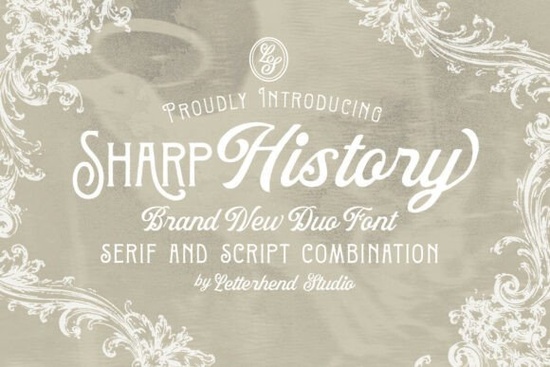
Finding the right typography for a project often feels like searching for a needle in a haystack. You want something that feels established and trustworthy but still carries a unique personality. This is where the Sharp History Font becomes a useful tool for designers and creators. It offers a vintage-inspired duo that pairs a decorative serif with a smooth script, giving you flexibility without needing to buy two separate families. Whether you are making wedding invitations or building a brand identity, having both styles in one package saves time and ensures visual consistency.
Vintage aesthetics have remained popular because they evoke a sense of nostalgia and quality. When you use a typeface with ornamental details, it suggests craftsmanship. The serif component here adds classic character, while the script provides a natural flow. This combination works well because it balances structure with freedom. You get the readability of a traditional serif for body text or headlines, paired with the personal touch of handwriting for signatures or accents.
What makes this typeface duo stand out?
The main advantage of this collection is the harmony between the two styles. Often, when designers mix fonts, they struggle to find a script that matches the weight and mood of a serif. This duo solves that problem by designing them to work together from the start. The serif style includes subtle ornamental details that catch the eye without reducing legibility. Meanwhile, the script brings a soft touch that prevents the design from feeling too rigid or corporate.
For those working on print-on-demand products, this balance is crucial. A design needs to look good on a mug, a t-shirt, or a poster. If the font is too thin, it might not print well. If it is too decorative, it becomes hard to read from a distance. This specific set aims for a middle ground, making it versatile for various physical products. If you want to explore this category further, you can check out similar options that focus on classic structures.
Where does this style fit best in your projects?
Understanding where to apply these fonts helps you get the most value from your purchase. They are particularly effective in industries where trust and elegance matter. Here are some common use cases:
- Wedding Invitations: The script is perfect for names and dates, while the serif handles the details.
- Branding and Logos: Great for boutiques, cafes, or artisanal shops wanting a timeless look.
- Packaging: Adds a premium feel to labels for candles, soaps, or food products.
- Editorial Layouts: Works well in magazines or lookbooks where text needs to be engaging.
If you are creating layouts meant for reading, such as magazines or long-form articles, the serif component provides the necessary structure. It guides the eye smoothly across the page. However, if your project requires something with more impact for heavy headlines, you might consider looking at heavier weight typefaces to create contrast. Mixing a light script with a bold serif can create a dynamic hierarchy that draws attention to key information.
How do you pair vintage serifs with other styles?
While this duo works well on its own, you might sometimes need a third element for complex designs. The key is to keep the third font simple. A clean sans-serif often works best as a neutral partner. This allows the vintage characters to shine without competing for attention. Avoid using another decorative font, as this can make the design look cluttered and confusing.
When working on digital products, remember that screen readability differs from print. Test your designs on mobile devices to ensure the ornamental details do not disappear on smaller screens. For projects that require high legibility across different platforms, referring to resources on editorial design projects can give you insight into how professionals handle text hierarchy. They often prioritize clarity while maintaining style.
Licensing is another important factor to consider before downloading. Most creative assets come with personal and commercial licenses, but the terms vary. Always check if you need an extended license for print-on-demand sales where the end product is sold to customers. Understanding these terms protects your business and ensures you respect the creator's work. You can find the Sharp History Font directly on the marketplace to review the specific license included with your download.
Practical checklist before you start designing
To ensure you are ready to use this typography effectively, run through this quick list. It helps avoid common pitfalls when working with vintage styles.
- Check File Formats: Ensure you have OTF or TTF files compatible with your software.
- Test Legibility: Print a sample at the actual size you intend to use.
- Review Licensing: Confirm you have the right license for commercial use if selling products.
- Contrast Check: Make sure the text stands out against your background colors.
- Pairing Test: If adding a third font, keep it simple and neutral.
Taking these steps ensures your final design looks professional and polished. Vintage styles offer a lot of character, but they require careful handling to maintain clarity. By focusing on balance and readability, you can create work that feels both old-fashioned and fresh.
Get Started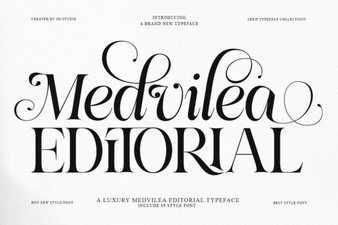 Medvilea Font for Editorial Layouts & Design
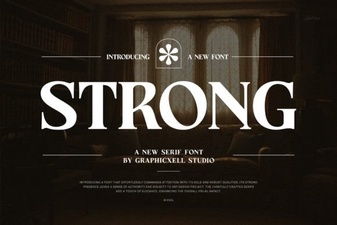 Choosing Strong Fonts for Your Web Design Projects
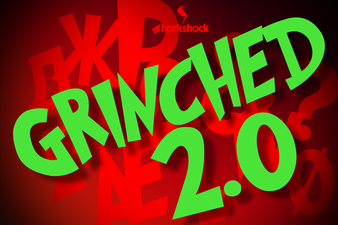 The Grinched 2.0 Font for Creative Design Projects
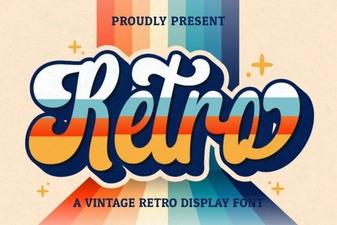 Retro Fonts for Creative Web Design Projects
 Discover Creative Font Designs for Your Projects
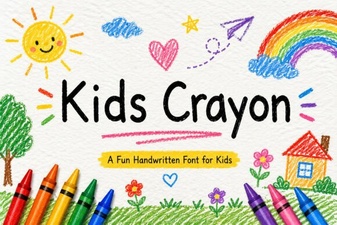 Playful Crayon Font Designs for Kids' Projects