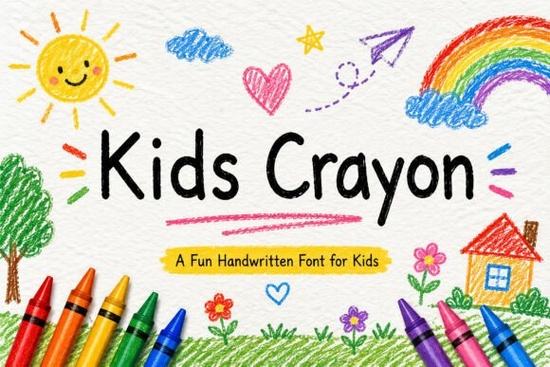
If you are working on a project that needs to feel innocent, warm, and genuinely handmade, finding the right typeface is crucial. The Kids Crayon Font offers a playful handwritten style that mimics real crayon drawings. This specific design brings a childlike creativity to digital work, making it a strong choice for designers who want to avoid stiff, mechanical looks. It works well for anyone creating materials for children, from teachers to small business owners selling handmade goods.
Why choose a handwritten style for children's projects?
When you design for a younger audience, the visual tone matters just as much as the content. A standard serif or sans-serif font can feel too corporate or serious. Handwritten styles bridge the gap between digital production and human touch. This typeface uses smooth strokes that look like they were drawn by hand, which helps build an emotional connection with the viewer. Parents and teachers often respond better to materials that feel personal rather than mass-produced.
Using a font with this kind of personality can make learning materials feel less like work and more like play. It adds warmth to nursery decor and makes birthday invitations feel special. The irregularity in the strokes suggests creativity and imagination, which aligns perfectly with brands focused on toys, education, or family activities. It is not just about readability; it is about setting the right mood for the project.
Where does this typeface work best?
The versatility of this font allows it to fit into several different industries. Educators can use it for classroom decorations, worksheets, and flashcards. Because it resembles actual writing, it helps children recognize letter shapes more easily than complex decorative fonts. For print-on-demand sellers, this style is excellent for t-shirts, stickers, and mugs aimed at kids or parents. Crafters using cutting machines like Cricut will find the clear shapes easy to weed and apply.
Small businesses focusing on children's branding can also benefit. Think about toy packaging, logo design, or greeting cards. The friendly nature of the letters suggests safety and fun. If you are creating social media graphics for a parenting blog or a kindergarten account, this font helps your posts stand out in a feed full of generic templates. It is particularly effective when paired with bright colors and simple illustrations.
How does it compare to other playful options?
There are many script and display fonts available, but not all capture the same authentic feel. Some playful fonts look too polished or digital. When exploring similar styles, you might look at resources for studying to find typefaces that prioritize readability for learners. This ensures your educational materials remain functional while still looking fun.
If you need something slightly more structured, you might compare it with stylish alphabet designs that offer a cleaner look for branding. However, for pure creativity, the crayon effect is unique. For crafters who need cut files, sometimes an outline style type works better for specific vinyl projects, though filled strokes often read better at small sizes.
Branding for food or sweets often uses playful typography as well. You might see similarities with fonts used for food related branding, where the goal is to evoke taste and joy. Finally, if you want to match the energy of this font, look for other options that share a vibrant personality to keep your design language consistent across different products.
What technical features should you expect?
From a technical standpoint, this font includes uppercase and lowercase letters, numbers, and punctuation. This full character set means you can write complete sentences without switching typefaces. It also supports multilingual characters, which is helpful if you are creating materials for diverse classrooms or international customers. One key feature is PUA encoding. This means the special glyphs and alternates are accessible directly from your font panel in software like Photoshop or Illustrator without needing complex keystrokes.
Installation is straightforward on both Windows and Mac systems. Once installed, it behaves like any other system font. Because it is designed for clarity, it remains legible even when scaled down for stickers or tags. However, like any handwritten font, it is best used for headlines or short paragraphs rather than long bodies of text. This maintains the impact of the style without causing eye strain for the reader.
What steps should you take before downloading?
Before adding this to your library, consider your specific project needs. Check the license terms to ensure commercial use is allowed if you plan to sell products. Verify that your design software supports the file format provided, usually OTF or TTF. Think about color pairings; this font shines when used with primary colors or pastels that match the crayon theme.
- Check the license: Ensure you have the right permissions for commercial projects.
- Test readability: Print a sample sheet to see how it looks on paper versus screen.
- Pair wisely: Combine with a simple sans-serif for body text to maintain balance.
- Use alternates: Explore the PUA encoded characters to vary letter shapes for a natural look.
- Consider the audience: Make sure the playful style matches the age group you are targeting.
Taking these steps ensures you get the most value from the typeface. It helps you avoid common pitfalls like poor contrast or licensing issues later on. By planning ahead, you can integrate this playful style into your workflow smoothly and create designs that resonate with your audience.
Get Started Juicy Come Font: Creative Display Typography Guide
 Winky Swing Font: Creative Design & Project Inspiration
 Artistic Projects Using the Sometimes Font
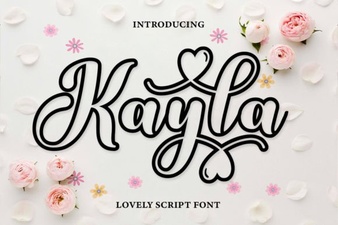 Kayla Outline Font: Creative Design Projects & Tips
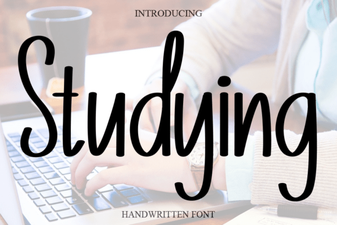 Choosing the Right Font for Your Study Materials
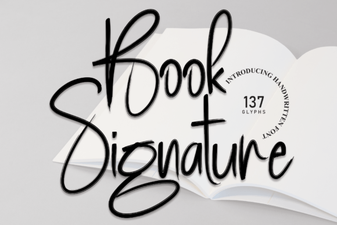 Designing Fonts for Custom Book Signatures