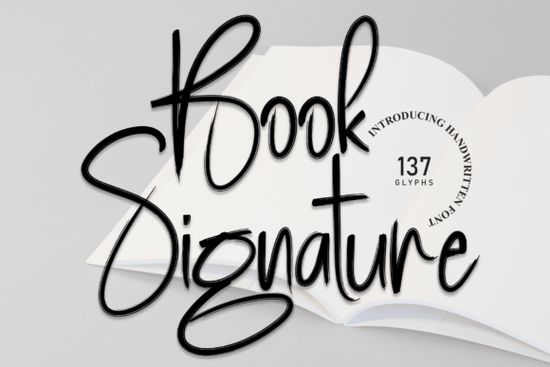
Finding a handwritten typeface that feels personal yet professional can be difficult for many creators. You want something that looks like real pen on paper without sacrificing readability. The Book Signature Font offers a delicate and flowing style that fits well into various creative projects. It is designed with well-balanced characters, making it a reliable choice for designers, crafters, and small business owners who need consistency in their work.
When you are selecting typography for a brand or a personal project, the details matter. This specific script provides an elegant touch without being too flashy. It works particularly well in the script fonts category because it maintains legibility while keeping that human handwritten feel. Whether you are making wedding invitations, logos, or social media quotes, having a font that flows naturally helps your audience connect with the message.
What Makes This Typeface Stand Out?
The main appeal of this font lies in its balance. Many handwritten styles suffer from irregular spacing or characters that are hard to distinguish. Here, the letters are crafted to sit well together. If you look at well-proportioned letters in other collections, you will notice that consistency is key for professional results. This typeface avoids the common pitfall of looking messy when typed in longer sentences.
It is also versatile enough for different mediums. You can use it for print-on-demand products like mugs or t-shirts where clarity is essential. For digital uses, such as website headers or eBook covers, the delicate strokes remain visible even at smaller sizes. However, if you need something with heavier weight for better visibility at a distance, you might compare it with bolder script alternatives to see which fits your specific layout needs.
Where Does It Work Best?
This font shines in projects that require a personal touch. Wedding stationery is a common use case because the flowing lines mimic formal calligraphy. It also works well for branding elements where you want to convey warmth and approachability. Small businesses often use this style for logos to feel more authentic than standard corporate typography.
Legibility is another factor to consider. While it is elegant, you should test it against your background colors. If you are creating educational materials or content that requires quick reading, you might want to pair it with simpler text. Sometimes, designers choose easier-to-read options for body text while keeping this script for headings. This ensures your audience doesn't struggle to understand the core message while still enjoying the aesthetic appeal.
Versatility is important for hobbyists who work on multiple types of projects. You might need a font that works for a serious business card one day and a fun party invite the next. This typeface manages to walk that line. For projects that need a bit more flair or specific stylistic sets, you could explore versatile choices that offer different swashes or ligatures to customize the look further.
How Do You Pair It With Other Styles?
Using a script font effectively often means knowing what to put next to it. Pairing it with a clean sans-serif font creates a nice contrast. The simplicity of the sans-serif allows the handwritten style to be the star of the show. If you want to add more depth to your design, consider using outline effects.
For example, you might use a solid fill for the main text and add a stroke effect for emphasis. Some designers look for outline variations to create layered text effects. This technique works well on merchandise where you want the design to pop against colored fabrics. Just ensure the outline isn't too thick, or it might overpower the delicate nature of the signature style.
Remember to leave enough white space around the text. Crowded designs can make even the clearest font look cluttered. Give the letters room to breathe, especially with flowing scripts that have tails and loops extending beyond the standard character height.
Is It Easy to Install and Use?
Most modern fonts come in standard formats like OTF or TTF, which work on both Windows and Mac systems. Installation is usually straightforward: download the file, double-click to install, and restart your design software. Always check the license terms before using the font for commercial projects. Some licenses allow unlimited use, while others might require an upgrade for products you intend to sell.
Once installed, test the font in your specific software. Some programs handle ligatures differently, which can affect how the letters connect. If the automatic connections look awkward, you may need to adjust the kerning manually. This small step ensures the final output looks as intended.
Quick Checklist for Using Script Fonts
- Check Legibility: Print a test page to ensure the text is readable at your intended size.
- Review Licensing: Confirm you have the right to use the font for commercial sales if you are a POD seller.
- Pair Wisely: Combine with simple sans-serif fonts to avoid visual clutter.
- Test Connections: Look at how letters connect in your design software and adjust kerning if needed.
- Contrast Colors: Ensure there is enough contrast between the text color and the background.
By following these steps, you can make the most of elegant typography in your work. Whether you are building a brand or creating a gift, the right font adds a layer of professionalism and care that customers notice.
Explore Design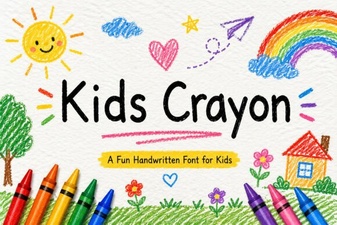 Playful Crayon Font Designs for Kids' Projects
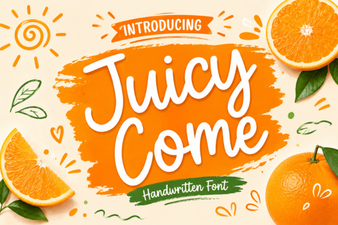 Juicy Come Font: Creative Display Typography Guide
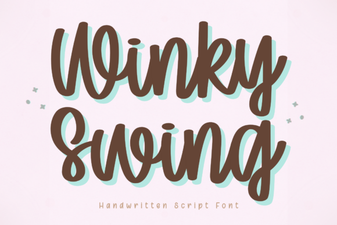 Winky Swing Font: Creative Design & Project Inspiration
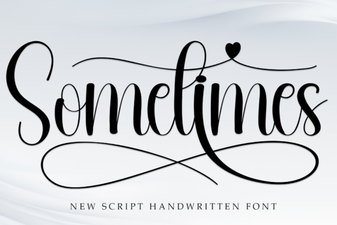 Artistic Projects Using the Sometimes Font
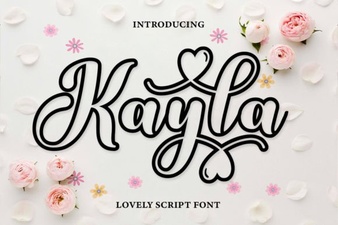 Kayla Outline Font: Creative Design Projects & Tips
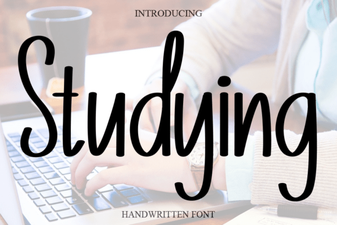 Choosing the Right Font for Your Study Materials