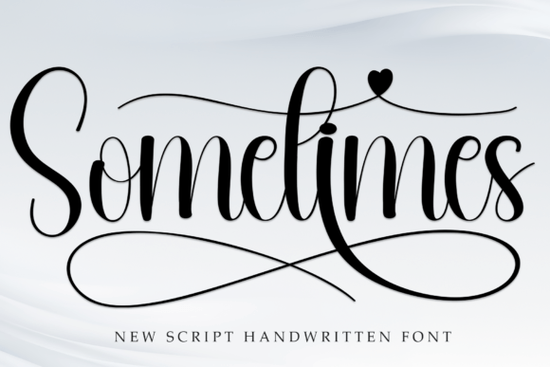
Finding the right handwritten typeface can make or break a personal project. You want something that feels authentic, not too rigid, and full of character. That is exactly where the Sometimes Font shines. It brings a sweet and friendly vibe to any design, making it a top choice for creators who need a casual yet polished look. Whether you are drafting wedding invitations or designing greeting cards, this script offers the lovely touch required to connect with your audience emotionally.
Many designers struggle to find a script that balances readability with style. Some are too messy, while others feel robotic. This specific typeface manages to walk that line effectively. It mimics natural handwriting without sacrificing legibility, which is crucial for printed materials where clarity matters. When you download the package, you typically get access to standard file formats like OTF and TTF, ensuring compatibility with most design software including Photoshop, Illustrator, and Canva.
What projects work best with this style?
The casual nature of this font makes it incredibly versatile for personal and small business use. It is particularly effective for events that require a warm invitation. Think about save-the-dates, menu cards, or thank-you notes. The strokes are fluid, suggesting a human hand wrote them, which adds a layer of intimacy to the piece.
Beyond weddings, this typeface is excellent for branding elements that need to feel approachable. If you run a small bakery, a boutique, or a handmade craft shop, using this on your logos or packaging labels can soften your brand image. It tells customers that there is a real person behind the business. You might also consider it for social media graphics where engagement is key. A quote overlaid on a nice background performs better when the text feels personal rather than corporate.
For those looking to expand their library with similar vibes, there are plenty of options to explore. If you need something with a bit more structure, you might look at the Kayla Outline style. It offers a different texture while maintaining that handwritten feel. Alternatively, if your project is aimed at a younger audience, the Kids Crayon option provides a playful edge that works well for school-related designs or children's products.
How do you pair script fonts effectively?
Mixing fonts is an art form. When you use a flowing script like this, you need a counterpart that grounds the design. A clean sans-serif is usually the safest bet. It allows the script to be the star without competing for attention. Avoid pairing it with another complex script, as this can make the text hard to read and visually cluttered.
Consider the hierarchy of your text. Use the script for headings or key phrases that you want to emphasize. For body text or detailed information, switch to a simple, readable font. This contrast guides the viewer's eye through the design logically. For example, on a wedding invitation, the names of the couple could be in the script, while the date and location remain in a simple serif or sans-serif.
If you are working on educational materials or study guides, you might want something that feels focused. The Studying typeface is a great complement in those scenarios. It maintains a handwritten aesthetic but feels slightly more disciplined. For projects that need a bit of bounce and energy, checking out the Winky Swing collection could give you the dynamic movement you need to liven up a layout.
What technical details should you know before downloading?
Before you start designing, ensure you have the right files for your workflow. Most modern font packages include OpenType features. These allow you to access alternate characters, ligatures, and swashes. This means you can avoid repetitive letter shapes. For instance, if the letter "t" appears twice in a word, you can use an alternate glyph to make it look more natural.
Installation is straightforward on both Windows and Mac systems. Once installed, the font will appear in your application's font menu under its specific name. It is important to check the license agreement included with the download. Some licenses are for personal use only, while others allow commercial projects. If you plan to sell items featuring this typography, such as print-on-demand t-shirts or mugs, verify that the commercial license covers your intended use.
You can always return to the main product page to view the collection page for updates or additional language support. Designers often release updates to fix kerning issues or add new characters, so keeping track of your library is helpful.
Quick checklist for using handwritten fonts
To ensure your design looks professional, run through these simple steps before finalizing your work:
- Check Legibility: Step back from your screen. Can you read the text easily from a distance?
- Verify Licensing: Confirm you have the right permissions for commercial or personal use.
- Use Alternates: Swap out repeated letters to maintain the natural handwriting illusion.
- Pair Wisely: Combine with a simple sans-serif or serif for balance.
- Test Print: Always print a sample copy to see how the ink sits on the paper.
Taking these small precautions ensures your final product looks as good on paper as it does on your screen. Handwritten styles add warmth, but they require careful handling to remain professional. With the right pairing and attention to detail, you can create designs that feel both personal and polished.
Try It Free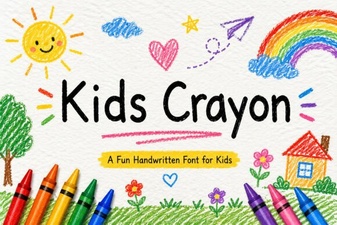 Playful Crayon Font Designs for Kids' Projects
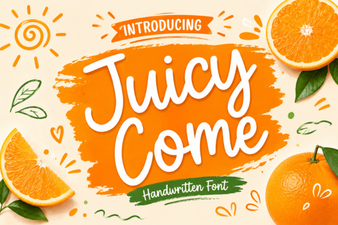 Juicy Come Font: Creative Display Typography Guide
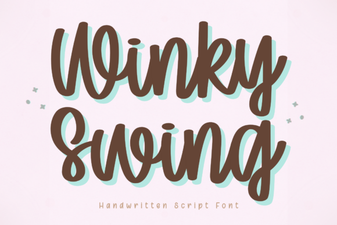 Winky Swing Font: Creative Design & Project Inspiration
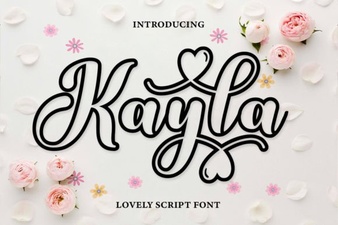 Kayla Outline Font: Creative Design Projects & Tips
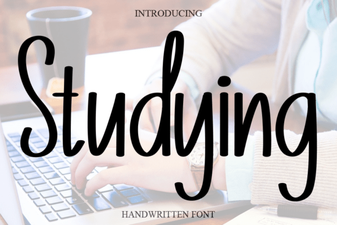 Choosing the Right Font for Your Study Materials
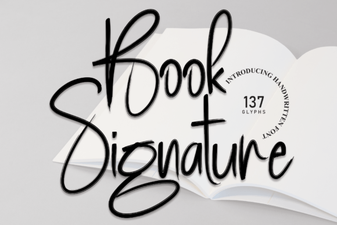 Designing Fonts for Custom Book Signatures