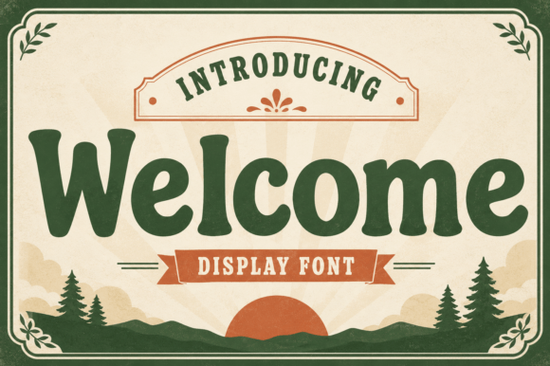
Finding a typeface that balances bold visibility with a friendly, approachable feel can be tricky for designers and crafters. You often have to choose between something too rigid or something too messy. This is where the Welcome Font steps in. It is a dynamic slab serif that radiates a warm vintage charm without feeling outdated. Whether you are working on a logo for a local bakery or creating a playful design for children's merchandise, this font offers a unique blend of confidence and whimsy.
The design features bold characters with soft, rounded curves that make the text easy to read from a distance. Unlike standard block letters that can feel cold or industrial, this typeface includes retro quirks that give it personality. It doesn't just sit on the page; it invites the viewer in. This makes it an excellent choice for headlines that need to command attention while maintaining an affable tone.
What kind of projects work best with this style?
Because of its high visibility and nostalgic appeal, this font shines in branding and signage. If you run a small business, such as a café or a boutique, using a typeface with character helps establish an identity that feels established yet welcoming. It is particularly effective for:
- Café and Restaurant Signage: The bold weight ensures readability on menus and window decals.
- Children's Products: The rounded edges and playful nature make it perfect for nursery art, toys, or kids' clothing.
- Vintage-Style Logos: It captures that mid-century modern aesthetic that is currently very popular in design trends.
- Social Media Graphics: It stands out well against colored backgrounds in Instagram stories or Pinterest pins.
While this font handles heavy lifting on its own, sometimes you might want to pair it with something that has a bit more grit. If you are looking for a rougher, more distressed look to contrast with the smoothness of Welcome, you might explore options like chunky texture fonts. These can add a layer of depth when used for subheadings or background elements.
How does it compare to other display fonts?
Display fonts come in many varieties, and choosing the right one depends on the mood you want to set. Welcome sits in a sweet spot between serious and fun. It is more structured than a handwritten script but less rigid than a standard sans-serif.
For example, if you are designing something related to home decor or cozy living, you might consider pairing it with a font that feels more domestic and soft, similar to the vibe found in Jennies House. While Welcome brings the bold headline energy, a softer companion font can handle the body text to create a balanced layout.
On the other hand, if your project requires something with a bit more magic or fantasy element, you might look at styles like Sunspell. Sunspell offers a different kind of display capability, often leaning towards the mystical or ethereal, whereas Welcome remains grounded in retro reality.
Can I use this for seasonal designs?
Absolutely. The retro nature of slab serifs makes them versatile for various seasons, especially autumn and winter holidays. However, the specific "quirks" in this font lean towards a general nostalgic feel rather than a specific holiday theme.
If you are specifically designing for Halloween or spooky themes, you might find that a font with more jagged or eerie characteristics, such as Grinched 20, fits the brief better. Grinched 20 has a distinct personality suited for darker or more mischievous projects. In contrast, Welcome maintains a friendly demeanor that works year-round, making it a safer bet for evergreen products like mugs, tote bags, and wall art that you want to sell consistently.
For summer collections, the bold nature of this font holds up well against bright colors. However, if you need something that screams "tropical vacation," you might supplement your toolkit with something like Laguna Tropic. Laguna Tropic brings a relaxed, beachy vibe that contrasts nicely with the structured confidence of Welcome. Using them together could create a dynamic summer sale poster where Welcome handles the "SALE" text and the tropical font handles the location or date.
Practical tips for using slab serifs
When working with bold slab serifs, spacing is key. Because the characters are thick, they can look cramped if the kerning (the space between letters) is too tight. Here is a quick checklist to ensure your designs look professional:
- Check Kerning: Always manually adjust the space between letters, especially where round characters like 'O' or 'C' meet straight lines.
- Contrast is King: Ensure your text color contrasts sharply with the background. This font relies on its bold shape, so low contrast will make it look muddy.
- Limit Line Length: Display fonts are best used for short phrases. Avoid using them for long paragraphs of text; save those for a simple sans-serif or serif body font.
- Test at Small Sizes: While it is a display font, check how it looks on mobile screens. The details should remain clear even when shrunk down for a phone view.
Ultimately, adding a versatile typeface like this to your library gives you a reliable tool for creating eye-catching headers. It bridges the gap between vintage aesthetics and modern readability, making it a solid investment for any creative looking to produce high-quality visual content.
Explore Design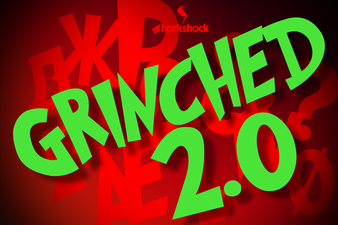 The Grinched 2.0 Font for Creative Design Projects
 Retro Fonts for Creative Web Design Projects
 Discover Creative Font Designs for Your Projects
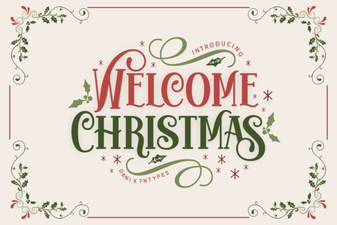 Free Christmas Fonts for Festive Design Projects
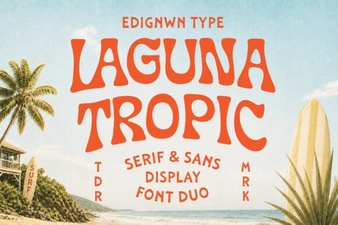 Laguna Tropic: Design Ideas for Tropical Projects
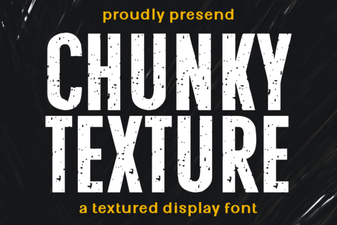 Artful Chunky Fonts for Bold Design Projects