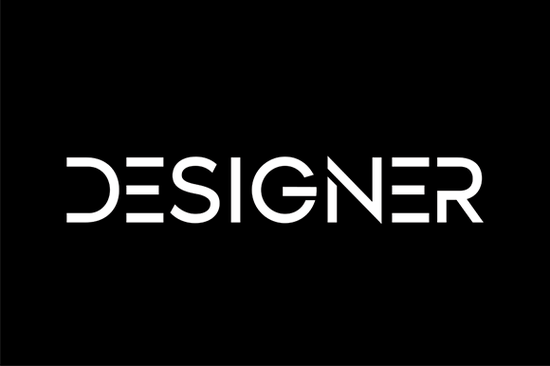
Finding the right typeface for a project often comes down to balance. You need something readable but still full of character. The Designer Font offers a simple and casual display style that fits this need perfectly. It has a clean feel that works well without overpowering your layout. Whether you are making a logo or a social media post, the neat arrangement of letters helps maintain clarity. This typeface stands out because it bridges the gap between formal and non-formal designs, making it a versatile tool for many creators.
Many small business owners and crafters look for fonts that remain legible across different materials. When you print on a t-shirt or a mug, details can get lost if the letters are too thin or too complex. This font keeps strokes consistent, which helps with readability even at smaller sizes. It is particularly useful for print-on-demand sellers who need their text to look professional on various products. If you usually prefer bold textured styles for headlines, you might find this typeface works well as a secondary font to provide contrast. The clean lines allow the textured elements to shine without creating visual clutter.
What projects work best with this typeface?
Because of its neutral yet stylish appearance, this font suits a wide range of creative tasks. Branding packages often require a primary font that does not distract from the logo mark. This typeface fills that role effectively. It is also a strong candidate for wedding invitations where elegance is key, but you do not want something too traditional. For digital creators, it works well in YouTube thumbnails or Instagram stories where quick readability is essential. If you are building a website, consider pairing it with retro signage typefaces for a unique header combination that draws attention without sacrificing user experience.
Seasonal designs also benefit from having a reliable base font. While holiday projects often call for decorative scripts, you still need standard text for details like dates and addresses. You can use this font for the informational text while pairing it with festive seasonal scripts for the main greetings. This hierarchy ensures your audience knows what to read first. For those looking for something slightly more whimsical during the holidays, you might explore playful holiday alternatives to see how they compare in terms of weight and spacing.
How do you manage file formats and licensing?
When downloading new typography, checking the file types is a crucial step. Most professional packages include OTF, TTF, and sometimes WOFF files for web use. Having these options ensures you can install the font on your computer and use it on your website without compatibility issues. Always review the license agreement before starting a commercial project. Some licenses allow unlimited sales on physical products, while others might have restrictions on digital templates. Understanding these terms protects your business from potential legal issues down the line. If you are unsure, look for similar designer display options that explicitly state commercial use is included for small businesses.
Installation is usually straightforward on both Windows and Mac systems. Once installed, the font should appear in your design software immediately. If you are using cloud-based tools like Canva, you may need to upload the files manually if you have a pro account. Keeping your font library organized helps you find the right style quickly when deadlines approach. Create folders based on style, such as script, serif, or display, to streamline your workflow. This organization saves time when you are mocking up ideas for clients or personal projects.
Why is kerning important for display fonts?
Even with a well-designed typeface, manual adjustments can improve the final look. Kerning refers to the spacing between individual characters. In display sizes, uneven spacing becomes very obvious to the eye. You might need to tighten the space between certain letter pairs to make the word look like a cohesive unit. This is especially true for logos where the text acts as an image. Take time to zoom in and adjust the tracking and kerning settings in your software. These small tweaks often make the difference between a good design and a great one.
Testing your design in different contexts is also wise. What looks good on a white background might disappear on a dark or patterned one. Always check contrast ratios to ensure accessibility for all viewers. If you plan to use this font for signage or large prints, view it from a distance to confirm legibility. Digital screens vary in color calibration, so check your work on multiple devices if possible. These practical steps ensure your final product looks polished regardless of where it is viewed.
To help you get started with your next project, here is a quick checklist for using new display fonts effectively:
- Verify the license allows for your intended commercial use.
- Download all available file formats for maximum compatibility.
- Test legibility on both light and dark backgrounds.
- Adjust kerning manually for logos and large headlines.
- Pair with a simpler body font for longer text blocks.
- Keep a backup of the font files in a cloud storage folder.
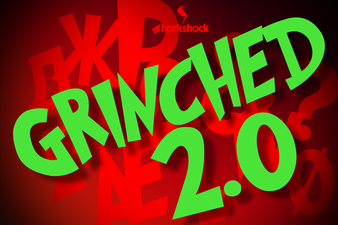 The Grinched 2.0 Font for Creative Design Projects
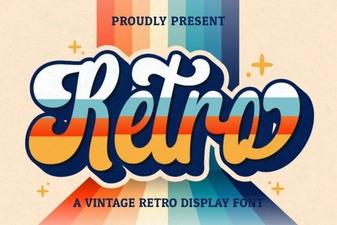 Retro Fonts for Creative Web Design Projects
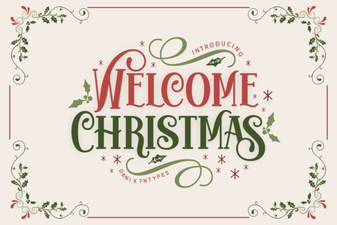 Free Christmas Fonts for Festive Design Projects
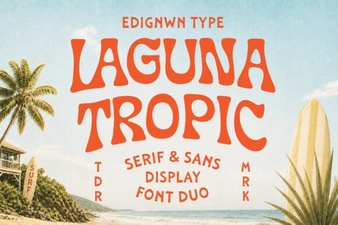 Laguna Tropic: Design Ideas for Tropical Projects
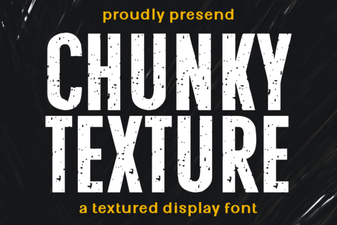 Artful Chunky Fonts for Bold Design Projects
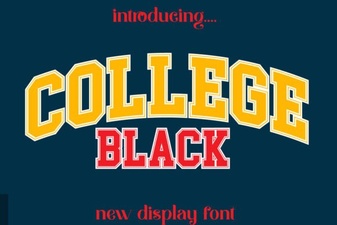 Creative College Black Font Typography Projects