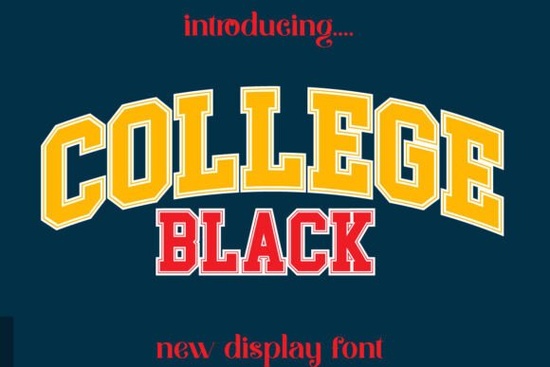
When working on projects that require immediate visual impact, selecting the right typography is crucial. Designers often search for typefaces that convey strength and clarity without unnecessary decoration. The College Black Font fits this need perfectly, offering a modern and bold display style. It is particularly effective for sports design, team jerseys, and league branding where readability at a distance matters. Whether you are creating a logo for a local club or a poster for an upcoming film, this typeface provides the weight needed to stand out.
Many creative hobbyists and small business owners need assets that work hard across different media. This font family is designed to handle heavy usage on merchandise, digital headlines, and printed documents. Its thick strokes ensure that text remains legible even when scaled down or viewed quickly. For print-on-demand sellers, having a reliable display font can simplify the design process for apparel and accessories.
What projects work best with this style?
Heavy display typefaces are not suitable for body text, but they excel in specific scenarios. You should consider using this style for headlines, titles, and short phrases that need to grab attention. Sports teams often rely on this aesthetic for uniform numbers and names because it mimics the traditional collegiate lettering style. It also works well for movie posters and game covers where a dramatic tone is required.
Documenters and film producers might use this for title cards to establish a serious or authoritative mood. If you are designing a book cover for a thriller or non-fiction work, the bold lines can suggest importance. Logos benefit from this structure as well, especially when the brand identity is built around strength or reliability. Always test the legibility on different backgrounds to ensure the thick strokes do not blend into busy images.
How do you pair heavy display typefaces?
Combining a bold font with other elements requires balance. If the main title is heavy, the supporting text should be lighter to create contrast. Sans-serif fonts with thin weights often complement this style well for subheadings. Avoid pairing it with another decorative font, as this can make the design look cluttered and difficult to read.
White space is your friend when working with thick lettering. Give the text room to breathe so the shape of each character is distinct. For digital projects, ensure there is enough contrast between the text color and the background. High contrast ratios improve accessibility for users with visual impairments. You can learn more about typography basics to understand how different weights interact on a page.
Are there similar options to consider?
While this specific typeface is excellent for sports and bold headers, you might want to explore other variations for different moods. If you need something with a retro transit feel, you might look at the Departure Board style. It offers a different kind of structural rigidity that works well for signage and informational graphics.
For projects requiring a slightly softer or more domestic touch, the Jennies House design could be a suitable alternative. It maintains display characteristics but with a different personality. Sometimes a project needs a friendly invitation feel, where the Welcome typeface might serve better than a sports-oriented style.
General branding projects often require versatility. The Designer collection offers various weights that can adapt to multiple contexts within a single brand identity. Having a few options in your toolkit allows you to match the typography to the specific emotion of the project rather than forcing one style to work everywhere.
What should you know about licensing?
Before using any font for commercial purposes, always check the license agreement. Some files are free for personal use but require a purchase for merchandise or client work. Print-on-demand sellers must ensure they have the right to sell designs containing the typeface. Ignoring licensing terms can lead to legal issues for small businesses.
Keep records of your purchases and license files in an organized folder. This makes it easier to verify permissions if a platform questions your design assets. Many creators offer extended licenses for broader usage, which is worth considering if you plan to sell thousands of units. Understanding these terms protects your business and respects the work of the type designer.
Quick Design Checklist
- Verify the license allows commercial use for your specific project.
- Test legibility on both light and dark backgrounds.
- Pair with a lighter sans-serif font for body text.
- Ensure sufficient white space around the headlines.
- Save original files and license documentation securely.
Start by downloading the file and installing it on your system. Open your design software and type out your headline to see how the kerning looks. Adjust the spacing between letters if necessary to improve readability. Once you are satisfied with the layout, export a preview to check how it appears on different devices. This final step ensures your bold choices translate well from your screen to the real world.
Get Started The Grinched 2.0 Font for Creative Design Projects
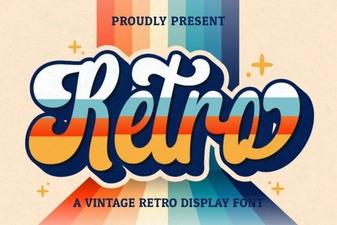 Retro Fonts for Creative Web Design Projects
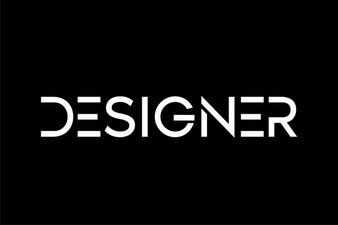 Discover Creative Font Designs for Your Projects
 Free Christmas Fonts for Festive Design Projects
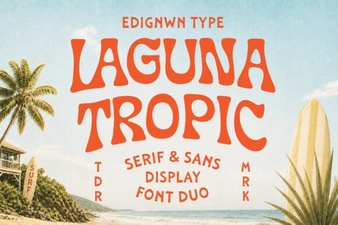 Laguna Tropic: Design Ideas for Tropical Projects
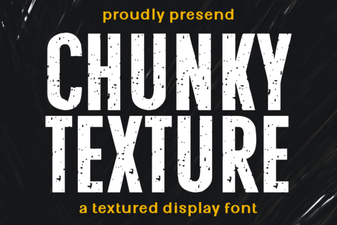 Artful Chunky Fonts for Bold Design Projects