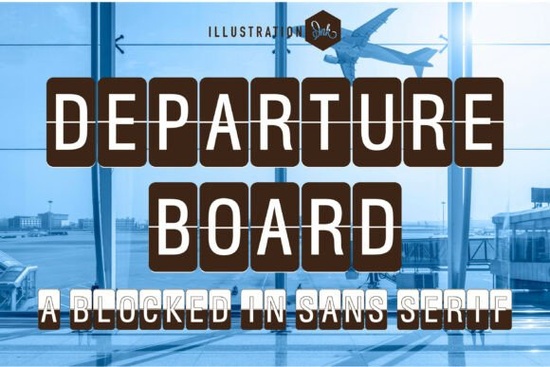
If you have ever waited at a busy terminal watching signs flip over one card at a time, you know the charm of that mechanical movement. That same feeling can live in your designs with Departure Board Font. It brings a nostalgic touch to digital files and physical prints alike. Instead of standard flat letters, this typeface uses rounded rectangular boxes with a split line right down the middle. It mimics the old mechanical boards found in train stations and airports decades ago. This distinctive style helps projects feel immediate and authentic.
What makes this typeface stand out?
The core feature here is the split-flap effect. Each character is built to look like a physical tile flipping to reveal new information. You get highly legible uppercase sans characters encased in tall capsules. This structure is intentional. It bridges the gap between mid-century locomotion nostalgia and modern urban grids. Because the characters are blocky and solid, they read well even when scaled up large or viewed from a distance. However, they still maintain a clean, minimalist vibe that fits current trends.
You might wonder how this compares to other display options. While some fonts try to replicate hand-lettering, this one leans heavily into the industrial theme. It creates a sense of order and schedule. The layout feels structured, much like a real flight manifest. If you are working on a project that needs to feel official yet stylish, this is a strong candidate. You can find more specialized display options by checking out designer font collections on our site to see how different textures work together.
Where can you actually use it?
This font is versatile enough for several creative fields. Travel writers often use it for publication headers because the imagery immediately signals movement. Boutique luggage brands might use it for logo mockups or packaging graphics to suggest global readiness. You could also set it for vintage transit posters. Even modern social media titles benefit from the high impact it provides. Unlike decorative script fonts that might lose readability on mobile screens, these bold blocks remain sharp.
Beyond travel themes, consider local business applications. A cafe might use it for menu boards or daily specials. Office signage layouts often require clarity, and the structured nature of this face delivers that. If you run a print-on-demand shop, t-shirts featuring this style appeal to vintage lovers. Just ensure your background color contrasts well with the white characters inside the dark capsules. For a softer greeting vibe, you could pair this with a welcome-themed typeface like Welcome Font to mix tones within a single poster.
Comparing display choices
Sometimes designers struggle between going soft or staying industrial. If you want something warmer, perhaps exploring a tropical theme helps. The contrast between the cool metal look of departure boards and a sun-soaked font can be striking. Look at Laguna Tropic if you need to balance an itinerary theme with beachside relaxation in your composition. On the other end of the spectrum, if you need extra thickness, heavier weights are available in other sets.
For projects requiring heavy, impactful typography without the flap detail, College Black Font serves as a good alternative when you need simpler geometry. Sticking to the original theme allows your design to stay cohesive. Mixing too many complex styles can confuse the viewer. Keeping the focus on the split-flap aesthetic ensures the message lands clearly. Always test your layout in grayscale first to check if the spacing holds up without color interference.
Getting started with installation
Using this font requires standard setup procedures common to most vector-based tools. Once you download the files from Departure Board Font, extract the folder contents. Locate the .otf or .ttf files and install them directly onto your operating system. Afterward, restart your design software to recognize the new family. Check the character map to ensure you have access to numbers and punctuation marks, which are essential for accurate schedules.
Licensing is another practical step to review before selling merchandise. Make sure you understand the terms regarding commercial use. Personal use projects allow for freeform experimentation, while client work might require a specific license level. Many users combine these fonts with custom illustrations to build a complete brand identity. By respecting the technical requirements, you avoid legal issues later. Remember that the quality of the final product depends on proper usage settings.
A quick pre-launch checklist
- Verify Spacing: Check kerning between split characters to prevent them from looking cramped.
- Contrast Test: Ensure text remains readable on both light and dark backgrounds.
- File Format: Save copies as PDFs or high-res PNGs for print services.
- Brand Consistency: Make sure colors match your specific industry palette.
With these steps in place, your next project will have that authentic, retro-transit feel ready to launch.
Try It Free The Grinched 2.0 Font for Creative Design Projects
 Retro Fonts for Creative Web Design Projects
 Discover Creative Font Designs for Your Projects
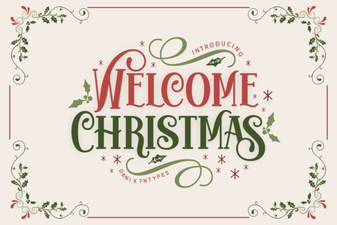 Free Christmas Fonts for Festive Design Projects
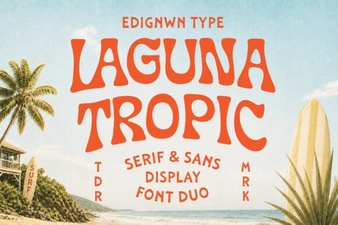 Laguna Tropic: Design Ideas for Tropical Projects
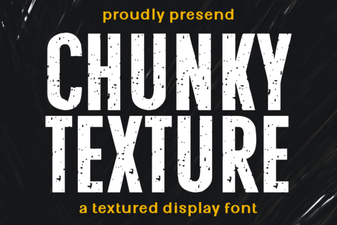 Artful Chunky Fonts for Bold Design Projects