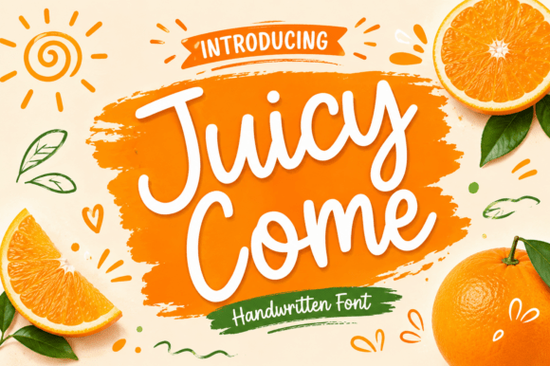
When you need a typeface that captures the energy of warm weather and casual vibes, finding the right script can make all the difference. The Juicy Come Font is designed to bring that exact feeling to your projects. It features a fluid, organic style with rounded edges and daring strokes that mimic the liveliness of summer. Whether you are working on product packaging or a digital invitation, this font adds a layer of personality that standard typefaces often lack.
Designers often look for tools that feel authentic rather than manufactured. This handwritten style offers sleek curves that complement bold statements without overwhelming the viewer. It works particularly well when you want your audience to feel a sense of friendliness and approachability. You can explore this design resource to see the full range of glyphs and alternates included in the package.
What kind of projects work best with this style?
Not every script fits every job, but this particular style shines in specific contexts. Because of its spirited nature, it is ideal for branding efforts that target a younger demographic or seasonal campaigns. Think about labels for lemonade stands, summer sale posters, or packaging for organic snacks. The organic flow of the letters suggests freshness and creativity.
It is also a strong candidate for children's merchandise. If you are creating designs for kids' clothing or toys, you might compare it with a playful children's type to see which fits your theme better. While crayon styles look drawn with wax, this script feels more like a confident marker or brush pen, offering a slightly more polished yet still fun look.
Corporate identities for creative agencies or boutiques can also benefit from this energy. It helps humanize a brand, making it feel less like a faceless corporation and more like a group of real people. For digital signatures on informal documents or welcome emails, it adds a personal touch that standard serif fonts cannot match.
How do you pair lively scripts with other typography?
Mixing fonts is where many creators struggle. When you use a bold, rounded script like this, you need a partner that doesn't compete for attention. Simple sans-serif fonts usually work best for body text. They provide a clean background that lets the script stand out as the hero of the design.
If you want to create a hierarchy of energy, consider pairing it with something slightly more structured. For example, if you need a casual everyday script for secondary headers, you can use it to support the main title without creating visual noise. The goal is to maintain readability while keeping the mood consistent.
For more formal elements within the same project, such as terms and conditions or contact details, you might switch to a cleaner style. In some cases, a formal signature style works well for the actual signature line on an invitation, while this livelier font handles the main headline. This contrast guides the eye and organizes information effectively.
Is this font suitable for commercial branding?
Yes, but license terms always matter. Most fonts on creative marketplaces come with options for personal and commercial use. Before you start selling products with this typeface, check the specific license included with your download. This ensures you are protected when using the designs on items for sale.
Versatility is key for commercial work. You want a font that looks good on a business card and a billboard. The thick strokes of this font ensure it remains legible even when scaled down, though you should avoid using it for long paragraphs of text. It is meant for display purposes where impact is more important than density.
If you find this style too bold for certain clients, you might look for a bouncy alternative that has a lighter weight. Having a few options in your toolkit allows you to adapt to different client needs without sacrificing the handwritten aesthetic they often request.
What should you check before downloading?
Technical compatibility is often overlooked. Ensure the file formats provided (usually OTF or TTF) work with your design software. Most modern programs like Adobe Illustrator, Photoshop, and Canva support these standard formats. Installing the font correctly on your operating system will prevent glitches during the export process.
Also, look for language support. If you are designing for an international audience, check if the font includes special characters or accented letters. A complete glyph set saves you from having to swap fonts mid-project, which can ruin the visual consistency of your branding.
Finally, test the kerning. Handwritten fonts sometimes have unusual spacing between specific letter pairs. Adjusting the tracking manually might be necessary to ensure words like "AV" or "To" don't look too far apart or too cramped. Taking this extra step ensures your final output looks professional.
- Check the license: Confirm commercial use is allowed for your specific product.
- Test legibility: Print a sample at the intended size to ensure readability.
- Pair wisely: Use simple sans-serifs for body text to balance the script.
- Inspect glyphs: Verify that all necessary characters and accents are included.
- Adjust spacing: Manually tweak kerning on tricky letter pairs for a polished look.
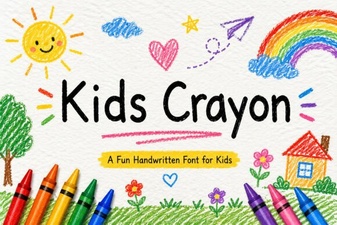 Playful Crayon Font Designs for Kids' Projects
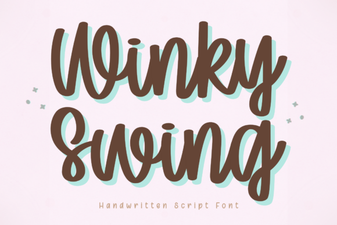 Winky Swing Font: Creative Design & Project Inspiration
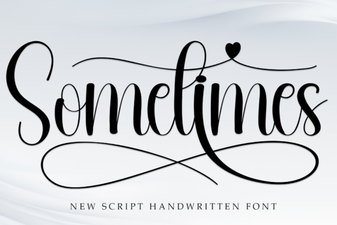 Artistic Projects Using the Sometimes Font
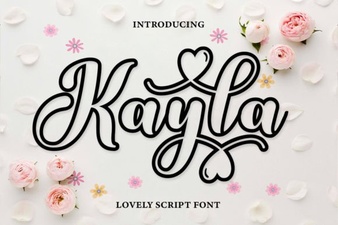 Kayla Outline Font: Creative Design Projects & Tips
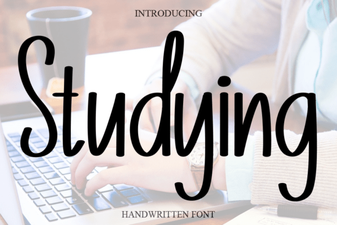 Choosing the Right Font for Your Study Materials
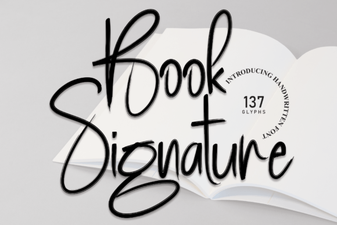 Designing Fonts for Custom Book Signatures