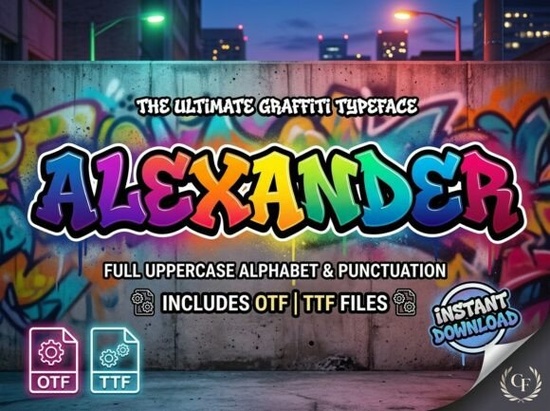
Finding the right typeface can make or break a design project, especially when you need something that grabs attention immediately. If you are looking for a display typeface with strong character, the Alexander Font is designed to be the center of attention. It features unique artistic elements and a visual personality that helps creators break away from ordinary layouts. This typeface is built for high-impact designs where the typography needs to do the talking without relying on extra graphics.
The letterforms include intricate details that give a polished finish while maintaining a bold presence. Whether you are working on a modern poster, a unique brand identity, or eye-catching social media content, this font adds an instant wow factor to any project. It is versatile enough for bold headlines and creative packaging, making it a useful tool for various creative industries.
What projects fit this style best?
Because this typeface has such a strong personality, it works best in situations where you need legibility at larger sizes. It is not intended for long body text but shines when used for headlines and titles. Here are some specific areas where this style excels:
- Poster Design: Create headlines that people cannot look away from. The intricate details hold up well on large prints.
- Branding and Logos: Build a unique identity for creative businesses. The distinct letterforms help your brand stand out from competitors using standard system fonts.
- Apparel and Merch: This is perfect for T-shirts, hoodies, and tote bag designs. The bold strokes translate well to fabric printing and vinyl cutting.
- Social Media: Make your quotes and announcements stand out in the feed. Scroll-stopping visuals often rely on unique typography.
- Packaging: Give your products a premium, artistic shelf presence. Good typography can increase perceived value.
- Music and Event Art: Ideal for album covers, flyers, and event branding where mood and style are critical.
When using this for branding, remember that decorative fonts work best when paired with simpler sans-serif or serif fonts for body copy. This contrast ensures that your main message remains readable while the headline captures interest.
Does it work with your current software?
Compatibility is often a major concern for designers and crafters who use different tools for different jobs. This font is compatible with both PC and Mac systems, which removes barriers for teams working across different operating systems. It installs like any standard OpenType or TrueType font, meaning it becomes available across your system once installed.
It works seamlessly in professional software like Adobe Illustrator, Photoshop, and InDesign. These programs allow you to access all the glyphs and stylistic sets if available, giving you full control over the letterforms. For those who prefer beginner-friendly tools, it also works in Canva, Microsoft Word, and Cricut Design Space. This flexibility is crucial for print-on-demand sellers who might design in one program and upload to another.
If you are looking to expand your library beyond this specific typeface, you can browse similar styles here to find complementary options for your projects. Having a variety of weights and styles in your toolkit allows you to maintain consistency across different marketing materials.
How do you get the best results?
Using a decorative display font requires a bit of strategy to ensure the design remains professional. Since the letterforms are intricate, spacing is key. You should adjust the kerning manually in your design software to ensure letters do not collide or look too distant. The visual weight of this typeface means it can dominate a layout, so use white space effectively to let the text breathe.
Color choice also plays a significant role. Because the details are fine, high-contrast color combinations work best. Dark text on a light background or vice versa ensures that the intricate elements do not get lost. Avoid placing this text over busy backgrounds unless you add a solid shape behind the text to improve readability.
For apparel, always check the preview mode in your cutting software. Some intricate details might be too fine for certain vinyl materials or printing methods. Testing a small sample before running a large batch can save time and materials.
Quick Checklist for Using Display Fonts
Before you finalize your design, run through this short list to ensure quality:
- Check kerning between unique letter pairs.
- Ensure high contrast between text and background.
- Verify readability at the intended display size.
- Pair with a simple font for body text.
- Test print or preview on the final medium (screen vs. fabric).
Taking these steps ensures that your final output looks polished and professional. Typography is a powerful tool when used correctly, and selecting the right display font is the first step toward creating memorable visuals.
Try It Free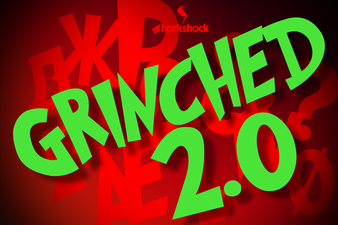 The Grinched 2.0 Font for Creative Design Projects
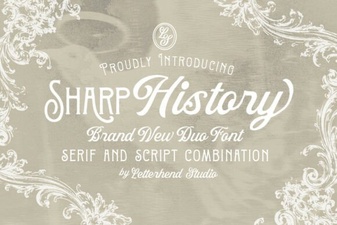 Sharp History: a Clean, Modern Font for Designers
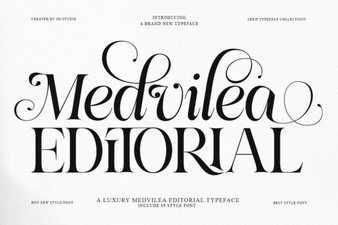 Medvilea Font for Editorial Layouts & Design
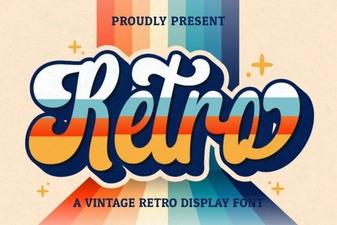 Retro Fonts for Creative Web Design Projects
 Discover Creative Font Designs for Your Projects
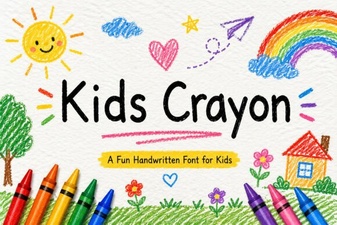 Playful Crayon Font Designs for Kids' Projects