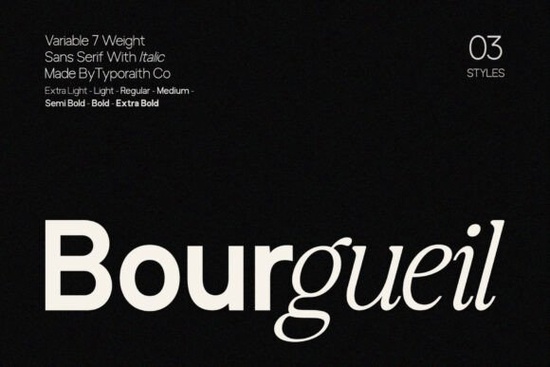
Choosing the right typeface can make or break a design project, especially when you need something that works across different mediums. The Bourgueil Font is a modern variable sans serif typeface designed for clarity, elegance, and versatility. Whether you are building a brand identity, designing magazines, or crafting social media visuals, this font delivers a professional and contemporary typographic voice. It is crafted with a clean structure and refined proportions, making it a solid choice for designers who need reliability without sacrificing style.
Many creators struggle to find a single font family that handles both body text and headlines effectively. Bourgueil solves this by offering seven variable weights along with a matching italic style. This gives you full flexibility to create strong visual hierarchy from subtle typography to bold, confident statements. Its balanced geometry makes it suitable for both minimal layouts and expressive compositions. For small businesses and print-on-demand sellers, having this level of control means you can maintain consistency across packaging, websites, and marketing materials without needing to purchase multiple licenses.
Why choose a variable sans serif for branding?
Variable fonts allow you to adjust the weight and style along a continuum rather than picking from fixed instances. This is particularly useful for responsive web design where text needs to adapt to different screen sizes. With Bourgueil, you can fine-tune the thickness of the strokes to ensure legibility on mobile devices while keeping it impactful on desktop headers. The clean structure ensures that even at smaller sizes, the characters remain distinct and readable.
When working on logo design, you often need a typeface that stands out but doesn't distract from the iconography. The refined proportions of this font help it sit well alongside graphical elements. If you are looking for something with more character for a specific campaign, you might explore a Norfleet sketch style to pair with it for a handcrafted feel. However, for the core identity, sticking to a robust sans serif like Bourgueil ensures longevity and professionalism.
How does it handle editorial and digital layouts?
Editorial design requires careful attention to spacing and rhythm. The italic style included in this family is not just a slanted version of the roman; it is designed to complement the upright characters naturally. This makes it ideal for long-form content where you need to emphasize quotes or key terms without breaking the visual flow. Digital interfaces also benefit from the open apertures and clear shapes, which reduce eye strain during extended reading sessions.
For social media visuals, bold weights can grab attention quickly in a crowded feed. You can use the heavier settings for call-to-action buttons or headline overlays on images. If you want to experiment with something more playful for seasonal promotions, checking out an Adventure typeface could provide a nice contrast to the stability of Bourgueil. Mixing a stable workhorse font with something more expressive allows you to keep your brand recognizable while staying fresh.
What should print-on-demand sellers know?
If you are selling merchandise like t-shirts, mugs, or posters, licensing is a critical factor. Ensure you have the correct license for commercial use before uploading designs to marketplaces. Variable fonts can also reduce file sizes compared to loading multiple static font files, which helps your website load faster. Faster load times improve user experience and can positively impact search engine rankings.
When preparing files for print, always convert text to outlines to avoid substitution issues on the production end. The geometric balance of this typeface translates well to various materials, from fabric to paper. For projects requiring a heavier presence, you might consider a Bouldy design as an alternative for display text, but keep Bourgueil for the informational content to maintain readability.
Can it work for hobbyists and crafters?
You do not need to be a professional graphic designer to use variable fonts effectively. Many design tools now support variable axes, allowing you to slide a bar to adjust the weight until it looks right. This is perfect for crafters making invitations, labels, or home decor signs. The elegance of the font adds a touch of sophistication to personal projects without looking overly formal.
For those who enjoy scrapbooking or digital planning, the lighter weights offer a clean aesthetic that doesn't overwhelm handwritten notes. If you prefer something with more organic curves, a Sunflower style might suit decorative elements, while Bourgueil handles the structured text. Having a versatile library means you can tackle any project that comes your way without starting from scratch.
To get the most out of your typography tools, review the specific product details. You can visit the product page to see the full character map and licensing terms. Always test your font in the actual environment where it will be used before finalizing the design.
Quick Checklist for Using Variable Fonts
- Check Licensing: Confirm commercial rights for print-on-demand or client work.
- Test Legibility: View your text on multiple devices and screen sizes.
- Outline for Print: Convert text to paths before sending to production.
- Pair Carefully: Mix with complementary styles for hierarchy without clutter.
- Optimize Web: Use variable files to reduce HTTP requests and load times.
Starting with a reliable typeface sets a strong foundation for your creative work. By understanding how to leverage variable weights and styles, you can create designs that are both functional and visually appealing. Take the time to experiment with the settings to find the perfect balance for your specific needs.
Get Started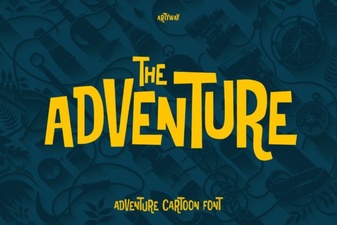 Find & Download Top Adventure Fonts
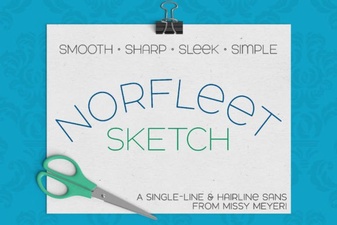 Norfleet Sketch Font for Creative Line Illustrations
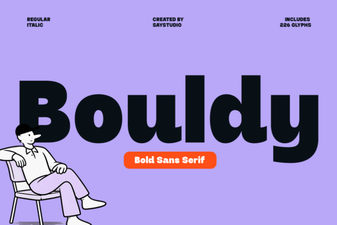 Bouldy Font: Bold, Natural Design Inspiration
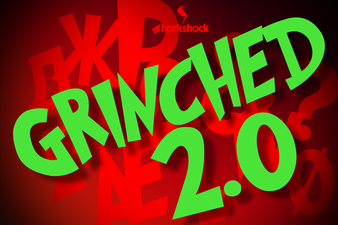 The Grinched 2.0 Font for Creative Design Projects
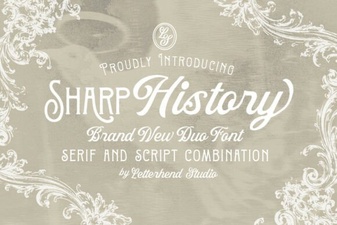 Sharp History: a Clean, Modern Font for Designers
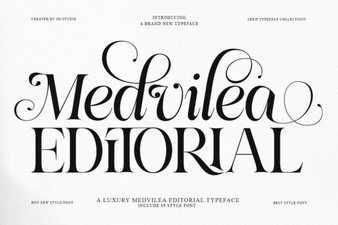 Medvilea Font for Editorial Layouts & Design